Pest Control in North York: Neighbourhood Areas, Transportation and Getting Around Tips
Why North York Area Matters for Pest Problems
North York is one of the most useful areas in the City of Toronto to think about local pest control because the area features high-rise living, older low-rise streets, busy retail plazas, and fast-moving commuter traffic. These conditions alters how pests spread and where they settle. In a dense part of Toronto like North York, seasonal pest activity often appears differently in residential properties, commercial buildings, and shared spaces such as lobbies, garbage rooms, and loading areas.
The local building stock matters too. North York has a wide range of housing types, from condominiums and apartment towers to semi-detached homes and detached houses. Taller buildings can make it easier for pests to move between units through utility chases, wall voids, and other entry points, while houses may deal more often with basement moisture, garage access, and exterior cracks. In both cases, an effective inspection process and infestation prevention plan should fit the property type.
Because North York sits within Ontario’s largest urban region, pest activity is also influenced by movement across neighbourhoods and major corridors. Busy commercial strips, back lanes, and shared waste areas can support rodents and insects if sanitation slips. That is why integrated pest management is often the best approach: identify the source, seal access, improve property maintenance, and use targeted treatment only where needed.
For homeowners, landlords, and business operators, local knowledge is useful. A pest issue in North York is not just about the pest itself; it is about how traffic, density, nearby food uses, and building design create conditions where problems can spread faster than in lower-density parts of Toronto.
North York Neighbourhoods to Reference
When people talk about North York neighbourhoods, they are often referring to a wide-ranging area that includes busy mixed-use districts and more peaceful residential pockets. Understanding the layout helps when planning a visit, scheduling a pest inspection, or arranging same-day service for an urgent issue.
Willowdale is one of the most recognized areas, especially around Yonge Street. Its mix of towers, townhomes, and nearby retail creates the kind of environment where ants, cockroaches, and bed bugs can be introduced through deliveries, shared hallways, or neighbouring units. The same density that makes Willowdale convenient for residents can also make pest monitoring more important.
Finch is another helpful reference point, particularly because it connects residential streets with high-traffic transit and commercial activity. In neighbourhoods near Finch Avenue, local pest control often has to account for apartment buildings, strip plazas, and food service businesses in the same service area. That combination can influence rodent control needs and overall sanitation standards.
York Mills is generally more suburban in feel, with larger homes and quieter streets, but it still sits within the city’s urban network. In this part of North York, pest concerns may focus more on property perimeter issues, basement access, and seasonal insects moving indoors. A strong prevention plan often starts with checking soffits, vents, and foundation openings.
Sheppard Avenue runs through a major part of North York and acts as a practical marker for travel and service planning. Properties along or near this corridor can see varied pest pressure because they are close to transit, retail, and dense housing. For a pest control company, these major corridors often require streamlined routing and flexible scheduling to reach buildings quickly.
Frequent Rodent Concerns in North York Homes and Businesses
North York homes face the very same primary pest concerns found across Toronto, but the local mix of spaces and businesses affects how those pests behave. The leading problems include ants, cockroaches, mice, and bed bugs, along with sporadic wasps around exterior areas, balconies, and eaves.

Ants often appear in kitchens, break rooms, and ground-floor units, especially in spring and summer. They can exploit tiny entry points around windows, baseboards, and plumbing https://oakville-onet757.zenbloomer.com/posts/how-to-remove-fleas-in-north-york-homes lines. In North York, where many homes and commercial spaces are close together, ant trails can spread quickly if food spills and moisture are not addressed.
Cockroaches are a particular issue in shared buildings and food-related businesses. They thrive where sanitation is uneven and where heat, water, and food are available. In condominiums and apartment towers, even one unit with a problem can create larger issues if waste rooms, utility areas, or neighbouring suites are not treated as part of the overall pest management plan.
Mice are among the most prevalent rodents in the area, especially near loading docks, alleyways, garages, and older homes. They can enter through surprisingly small gaps and often follow structural lines into walls and ceilings. Effective rodent control in North York usually requires a mix of sealing access, removing food sources, and monitoring activity points over time.
Bed bugs are a separate challenge because they are not tied to sanitation in the same way. They are commonly spread through travel, used furniture, and shared laundry or building access points. In a transit-connected area like North York, bed bugs can move between units or homes through belongings and can be carried back from trips across Toronto or beyond.
Wasps may be more periodic, but they matter in summertime and early autumn. Alfresco dining areas, balcony areas, rooflines, and sheltered exterior corners can attract them. For commercial properties and property owners, prompt recognition can prevent stings and limit nest expansion before the weather changes.
Across all of these invaders, the best approach usually comes from a mix of insect treatment, sealing entry points, better sanitation, and routine property maintenance. That is the foundation of integrated pest management, and it is especially valuable in North York’s compact city landscape.
Getting Around Choices Across North York
Transportation shapes how people travel through North York, and it also affects how pest control providers plan visits. A provider working in the area often has to work around building access rules, traffic, and peak commute times. For residents and businesses, knowing the available routes helps with travel planning and appointment timing.
The TTC subway is a key part of North York mobility, especially along the Yonge corridor and toward the busy north-south spine of the city. The subway makes it easier for technicians, residents, and visitors to get to central points without relying on parking. It also supports service access to high-density areas where buildings are clustered near a subway station.
The TTC buses link neighbourhoods that are not directly beside subway stops. They are especially important for reaching residential streets, local schools, and business clusters away from the main lines. For pest control work, buses matter because many service calls happen in areas where on-street parking is limited or where building entrances are better reached by transit.
GO Transit adds another layer of regional access, joining North York with other parts of the Greater Toronto Area and beyond. This is useful for commuters, visitors, and service teams who need to move efficiently across municipal boundaries. In a city as connected as Toronto, regional transit can influence arrival windows and same-day scheduling.
Highway 401 is one of the most important travel routes in the area. It supports faster movement for service vehicles, but it also contributes to local traffic pressure near interchanges and feeder roads. During busy periods, route planning around the 401 becomes important for avoiding delays, especially for appointments that require equipment, multiple visits, or access to several units in one building.
Overall, North York’s transit network is part of why the area is so accessible and why pest control access can be efficient when appointments are properly coordinated. It is also why providers familiar with the neighbourhoods can often respond more smoothly than teams without local knowledge.
Travel Guidance for Locals and Tourists
Whether you reside in North York or are stopping by for business, retail, or a short stay, a little travel planning goes a long way. The area has several busy spots that can affect traffic, parking, and appointment timing, including Yonge Street, Sheppard-Yonge Station, Yorkdale, and North York Centre.
Yonge Street is a major north-south route with regular traffic and many mixed-use properties. If you are heading to a pest control appointment nearby, allow extra time for signal delays, school traffic, and loading activity at commercial buildings. The same is true when planning visits to offices, restaurants, or apartment towers along the corridor.
Sheppard-Yonge Station is one of the most useful landmarks for scheduling because it sits at a key transit intersection. If you are meeting a technician, it helps to know whether your property is closest to the station on foot, by TTC subway, or by connecting TTC buses. For residents in nearby towers, that station area is often the quickest access point for service and delivery traffic.
Yorkdale is another important travel hub because of its retail draw and traffic patterns. Shopping trips, loading activity, and seasonal retail surges can all affect road congestion in the surrounding area. For pest control, that means appointment times near Yorkdale may need a wider window, especially during evenings, weekends, or holiday periods.
North York Centre is a practical anchor for both residents and professionals. The area’s mix of offices, residences, and civic buildings creates a regular flow of pedestrians and vehicles. If you are traveling there for service, it helps to check access routes, elevator booking rules, and parking options in advance, especially in tower buildings where appointment logistics matter.
Travel throughout North York is generally manageable, but service timing improves when you factor in traffic on major corridors, transit transfers, and building access procedures. For pest control appointments, that can mean faster entry, fewer delays, and better coordination with property staff.
What to Learn Before Arranging pest control North York
Prior to booking a service provider in North York, it is useful to see how the area service should operate. A strong company should open with a careful inspection and then outline a solution that fits the property, whether it is a house, condo, plaza, or office.
Good prevention is equally important as treatment. In many North York homes and businesses, pests are lured by food waste, moisture, clutter, and gaps around doors or pipes. A careful inspection process should identify those conditions and not simply focus on visible pest activity. This becomes especially important in dense areas with shared walls and frequent turnover.
Local regulations also matter. In Ontario, pest control work must align with applicable safety and product-use rules, and multi-unit properties may have additional responsibilities around building maintenance, tenant communication, and treatment coordination. Owners and managers should inquire how a provider manages recordkeeping, follow-up visits, and access to common areas.
Service timing is another practical factor. In North York, same-day service may be offered for urgent situations, but response depends on building access, traffic on the 401, and route efficiency across the service area. For less urgent issues, booking early in the day can improve availability and limit disruption to residents or staff.
A well-managed pest control visit should also explain what will happen before, during, and after treatment. That includes preparation steps, any temporary access restrictions, and follow-up recommendations tied to property maintenance and long-term infestation prevention. The best local pest control providers will prioritize the full picture, not just a one-time application.
When to Contact a Local Pest Control Professional
You should contact a local pest control professional as soon as you notice clear infestation signs. These may include droppings, gnaw marks, grease trails, shed skins, live pests, odd odours, or scratching sounds in walls and ceilings. In North York, delaying too much can allow a small issue to grow across a suite, floor, or even multiple units.
Sanitation problems are often part of the trigger. Overflowing garbage, unsealed food, and poorly maintained storage areas can attract pests in both homes and commercial buildings. If you manage a restaurant, retail space, or office in North York, the condition of the back room and waste area can matter just as much as what customers see in front.
Entry points are another reason to call a professional. Cracks in the foundation, gaps around utility lines, damaged screens, and poorly sealed doors can all provide access for insects and rodents. A technician can assess where pests are likely entering and recommend sealing measures as part of an integrated plan.
Multi-unit buildings deserve special attention. In condominiums and apartment complexes, pest activity in one unit can affect neighbouring suites through walls, plumbing, and shared service spaces. Coordinated treatment is often necessary, along with communication from property management and consistent follow-up. The same principle applies to stacked townhomes and some mixed-use buildings.
For homeowners in semi-detached homes, the risk may vary, but it is still significant. Shared walls, side yards, and nearby waste storage can influence pest movement. Professional support is often the fastest way to stop the issue and restore normal use of the property.
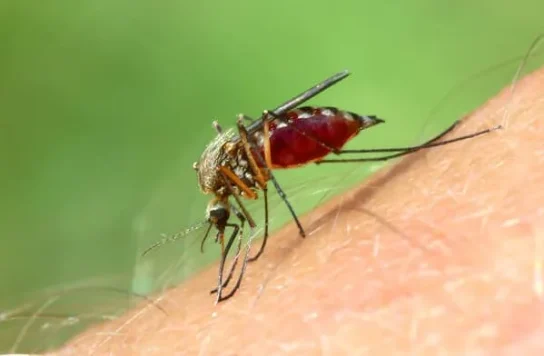
In short, call early. The sooner pests are identified and treated, the easier it is to prevent repeat problems and protect the building long term.
FAQs About Pest Control in North York
Which pests are seen most often in North York?
The pests most commonly found in North York are ants, cockroaches, mice, and bed bugs, with wasps also showing up seasonally. Since North York has a mix of high-rises, older homes, and commercial spaces, these pests can appear in both residential and business settings across the service area.
What North York neighbourhoods have the most transit access?
Locations around Sheppard-Yonge Station, North York Centre, and the Yonge corridor usually have the strongest transit access, due to the TTC subway and connecting TTC buses. Parts of Willowdale and areas near Finch also enjoy from strong connections, while routes near Yorkdale and major roads help with regional travel planning.
How quickly can pest control service be arranged in North York?
A number of providers can arrange same-day service in North York, depending on schedule, building access, and travel conditions. Response time can be affected by traffic on Highway 401, appointment volume, and whether the property is a condo, house, or commercial site. A local company familiar with North York neighbourhoods can often organize faster.
Do condos or houses in North York have more pest problems?
Both property types can have problems, but the risks differ. Condominiums may see more shared-space challenges, especially with cockroaches and rodents moving through walls or utility areas. Semi-detached homes and detached houses may face more exterior access issues, basement entry, and seasonal pests. What matters most is matching treatment to the property type and the local building layout.
What should I do before a pest control visit in North York?
Prior to the visit, clear access to problem areas, store food securely, reduce clutter where possible, and follow any instructions about sanitation or prep. If the issue is in a multi-unit building, notify building management so the inspection and treatment can be coordinated. Good preparation helps the technician find entry points, assess the infestation, and apply the right insect treatment or rodent control plan.