Mosquito Control for Toronto: Local Pest Control Choices and Costs
Why mosquito management counts in Toronto
Mosquito control Toronto matters because the local climate can lead to strong seasonal pressure from late spring through early fall. In Toronto, summer humidity, frequent rain, and dense neighbourhoods can quickly turn small pockets of water into active mosquito breeding grounds. For homeowners, condo residents, and property managers, effective mosquito control is not just about comfort; it is also about cutting down on bites, limiting nuisance activity, and protecting outdoor living spaces.
Many people search for pest control Toronto when mosquito activity starts to affect back decks, patios, balconies, laneways, and shared common areas. The problem often builds up during periods of high humidity and after storms, when standing water remains in gutters, planters, drains, and yard features. That is why mosquito complaints often rise at the same time as other pest control near me searches across the city and the Greater Toronto Area.
Toronto’s urban layout creates plenty of hidden outdoor pockets where mosquitoes can multiply. Detached homes may have shaded backyards, semi-detached homes can have narrow side yards that stay damp, townhomes may have small courtyards with poor drainage, and condos may deal with rooftop patios, balcony planters, and common-area water https://ameblo.jp/mississauga-onzi573/entry-12976516398.html collection. In each case, the goal of pest management is to disrupt the life cycle before adult mosquitoes become a constant nuisance.
Frequent bug breeding locations around residences and condos
Mosquitoes need water to reproduce, so the most important part of prevention is identifying water sources. Around Toronto homes and condos, the most frequent problem areas include standing water in buckets, toys, tarps, and forgotten containers. Even a small amount of water can support mosquito offspring, especially when warm weather continues.
Gutters are a serious issue because leaves, debris, and sloped sections can trap water long enough for mosquitoes to grow. If downspouts do not drain properly, water can back up and create recurring breeding opportunities. Patio drains can also hold stagnant water when they are blocked by dirt or organic buildup, which is common in older properties and high-traffic condo common areas.
Backyards are another regular source of mosquito activity, especially in shaded spaces where the sun does not dry surfaces quickly. In Toronto, that can include areas beside fences, under dense shrubs, near deck edges, and along laneways where runoff collects. Planters, birdbaths, tarps over outdoor furniture, sump discharge areas, and poorly graded lawns can all contribute to a mosquito problem if they are not monitored.
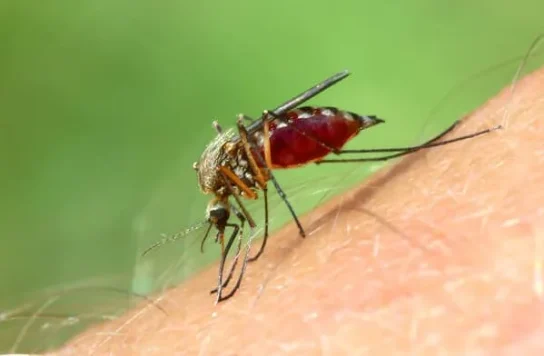
For condos, breeding sites often appear in rooftop patios, garden beds, decorative water features, and shared drainage systems. Facility teams should inspect these spaces regularly because one overlooked puddle can affect multiple units. Preventing mosquitoes in these environments usually starts with routine cleanup, drainage checks, and careful removal of breeding sites.
How Toronto pest control services manage mosquito problems
Skilled pest control Toronto specialists generally begin with a thorough inspection. This stage reveals where mosquitoes are growing, where they are lingering, and which outdoor zones need special attention. A solid inspection covers downspouts, drains, shaded landscaping, patios, fence lines, and any standing water that may be hidden from view.
When larvae are present in water that cannot be drained immediately, technicians may apply larvicide treatment to interrupt development before the mosquitoes mature. This is often used in catch basins, drains, and other standing-water sources where larvicide can target larvae without affecting the rest of the property. For outdoor resting areas, a barrier spray or residual spray may be used to decrease adult mosquito activity around decks, entryways, and garden edges.
Many providers now use integrated pest management, which brings together inspection, targeted treatment, ongoing monitoring, and prevention advice. That approach is especially useful in Toronto because the city’s weather and housing mix can change the risk level from one property to the next. A effective barrier treatment can offer temporary relief, but the most reliable results come from pairing it with preventive maintenance and water-source control.
Some companies also offer eco-friendly options for exterior treatment, depending on the site conditions and the level of mosquito activity. Homeowners often appreciate a service plan that includes a follow-up visit when pressure remains high after heavy rain or during peak summer weeks. In many cases, mosquito services are part of a broader property inspection that may also identify other seasonal pests before they spread.
Mosquito treatment Toronto rates: what affects rates
The pest control Toronto cost for mosquito service can vary based on multiple factors, including your property type, treatment scope, and how regularly visits are needed. If you are comparing pest control prices near me, remember that mosquito work is usually priced differently from indoor pest jobs because it focuses on exterior treatment and prevention rather than one-time interior elimination.
Property size matters a lot. More spacious detached homes with deep backyards, multiple garden beds, and more landscaped areas usually require more time and product than a smaller townhome or condo balcony. Properties with laneways, side yards, sheds, or rooftop patios may also need additional inspection and treatment points.
Service frequency is an additional major pricing factor. A single service call may be enough for a modest mosquito issue, but heavier pressure often requires a seasonal plan with repeat applications. In Toronto, where mosquito activity can surge after rainfall, a follow-up visit may be recommended to maintain protection through peak season.
Location and access can affect price as well. Dense neighbourhoods, shared condo spaces, and hard-to-reach drainage features may take longer to treat. If you are asking about pest control Toronto cost, ask whether the quote includes inspection, larvicide, barrier spray, and any repeat visits. The best estimates should also explain whether the plan is preventative or reactive.
For comparison, people searching for pest control prices near me are often also looking at other common jobs. For example, cockroach exterminator toronto cost can differ significantly from mosquito service because indoor infestations often require a different treatment strategy. Likewise, questions like how much is pest control for mice or diy fumigation for mice reflect a separate set of risks and costs. If you are pricing pest services in general, it helps to compare mosquito treatment with other common jobs such as bed bug heat treatment Toronto, cost of bed bug treatment, and heat treatment for bed bugs cost, since each problem requires its own approach.
Do-it-yourself mosquito prevention tips for Toronto homeowners
Homeowners can reduce mosquito problems with straightforward and regular habits. The most effective tactic is eliminating breeding sites, which means clearing away water and conditions that let mosquitoes to breed. Empty containers after rain, remove tarps, and make sure toys, buckets, and plant trays do not trap water for long periods.
Keep screens on windows and doors in proper repair so mosquitoes do not enter the home at dusk. For outdoor comfort, use a quality repellent when sitting in the yard, on a balcony, or at a cottage-style patio setup. Repellent is particularly helpful during warm evenings when mosquito activity is at its peak.
Yard maintenance also plays a key role. Prune dense shrubs, mow down overgrown grass, and clear leaf buildup from gutters and drains. Boost drainage in low spots where water tends to pool after storms. In Toronto’s humid summer season, shaded and damp areas can stay active longer, so a tidy yard is not just cosmetic; it is a key part of mosquito prevention.
If your property has a birdbath, fountain, or decorative water feature, wash it frequently and refresh the water as needed. On condo balconies, check planters, saucers, and corner drains. These small steps minimize mosquito pressure and complement any professional exterior treatment you may already have in place.
When mosquito management is part of a larger pest problem
At times mosquito infestations show up alongside different pest problems, which is why many people begin with a general search for pest control near me. The same outdoor factors that encourage mosquitoes can also attract ants, flies, and sporadic invaders around foundations, decks, and service entries. If you notice multiple issues at once, a wider pest control Toronto inspection may be the more practical first step.
For example, a property dealing with moisture, clutter, and structural gaps may also have rodent concerns. This is where questions like how much is pest control for mice become useful. While mosquitoes are an outdoor seasonal nuisance, mice often require exclusion, trapping, and ongoing monitoring. Attempting diy fumigation for mice is not a safe alternative for a proper assessment, especially in homes or multi-unit buildings.
Similarly, if you are also comparing service categories such as cockroach exterminator toronto cost or bed bug heat treatment Toronto, it helps to understand that each pest demands a separate treatment model. Bed bug issues, for instance, may involve the cost of bed bug treatment or heat treatment for bed bugs cost, which are completely different from mosquito control because they center on indoor infestations and direct contact treatment.
The main point is that mosquito work is often part of a wider preventive strategy. A strong provider can assess whether your issue is isolated or connected to more serious conditions like leaks, drainage problems, hidden entry points, or poor outdoor maintenance.
Choosing the top pest control near me in Toronto
When evaluating options for best pest control near me, look for a provider that understands Toronto’s housing mix and seasonal pest cycles. The ideal service will know how to work around condos, detached homes, semi-detached properties, and townhomes, including shared outdoor spaces and restricted access areas.
Make sure to ask whether the company uses licensed technicians. Licensing matters because proper mosquito treatment depends on correct product use, safe application, and a good understanding of local regulations. You should also ask whether the company offers a service guarantee, especially if mosquito activity remains high after rain or if the first treatment does not fully solve the issue.
Toronto neighborhoods can also affect treatment needs. A shaded property in The Beaches may face different conditions than a laneway home in the Annex, a condo near downtown, or a family home in Scarborough, Etobicoke, North York, or East York. The more familiar a company is with local conditions, the better it can tailor the plan.
If you are looking for the best pest control near me, ask how the company handles preventive maintenance, follow-up visits, and seasonal planning. A strong provider should describe the inspection process, the role of barrier treatment, and the timing of exterior service so you know exactly what to expect.
Mosquito Man Toronto224 King St W #2401, Toronto, ON M5J 0A6, Canada
+16472437241
https://maps.app.goo.gl/VbxNrosScd6ZL8U39
https://mosquitoman.ca/pest-control/toronto/
JJX7+23 Toronto, Ontario, Canada
Mosquito management and other Ontario pest control services
Mosquito treatment service in Toronto is only a portion of the larger Ontario market. Customers comparing pest control cost Ontario often want to see how prices vary by city and service type. For example, pest control Mississauga may be similar in approach to Toronto, but property layout and demand patterns can differ. In the same way, pest control Brampton prices and pest control Hamilton prices can reflect local property sizes, service distance, and seasonal pressure.
Outside the GTA, searches like pest control London Ontario, pest control Kitchener, and pest control Fredericton NB show that homeowners are often comparing regional service options before booking. You may also come across companies such as adams pest control fredericton and adams pest control moncton while researching providers in Atlantic Canada. These names are practical reference points, but the most important factor is choosing a service that understands your local climate, housing type, and pest pressure.
Toronto’s mosquito season is especially influenced by urban density, heat, and rain. That means the same pest control company may offer varied approaches in Toronto than it would in smaller cities or other provinces. If you are focused on pest control Mississauga or nearby communities, ask whether the company adjusts its exterior treatment strategy for local rainfall and property layout. In many cases, Ontario-wide pricing still depends heavily on the same factors: property size, treatment frequency, and whether the job is proactive or remedial.
Seasonal timing for mosquito treatment in the GTA
Scheduling matters a great deal for mosquito management in the Greater Toronto Area. Activity usually starts rising in spring as temperatures climb and standing water begins supporting larvae. By summer, especially during stretches of humidity and after heavy rain, mosquito complaints often increase sharply across Toronto neighbourhoods, suburban communities, and condo-heavy districts.
The most effective time to plan mosquito treatment is prior to pressure becomes high. Early-season service can reduce breeding sites and create a more effective barrier treatment before mosquitoes become common. That approach is particularly useful in properties with shaded yards, older drainage systems, rooftop patios, and landscaping that holds moisture.
Because mosquito populations can return quickly after rainfall, many properties gain from seasonal maintenance rather than a single service call. That is especially true in the Greater Toronto Area, where weather can shift suddenly and outdoor living is a top priority for much of the season. If you want less bites on your deck, balcony, or backyard, a prompt treatment plan paired with prevention steps is generally the best route.
FAQ about mosquito control and pest control Toronto
How much does mosquito control Toronto cost?
The price depends on property size, the amount of standing water, whether you need a once-only service or seasonal treatment, and how much inspection is involved. In many cases, mosquito service is quoted separately from other pest work because it focuses on exterior treatment, larvicide, and follow-up maintenance.
How often should mosquito treatments be applied in Toronto?
That depends on seasonal pressure, rainfall, and how well your property is maintained. During busy summer months in Toronto, some properties need repeat service or a follow-up visit to keep up with new breeding activity after heavy rain.
What attracts mosquitoes to homes and condos in the GTA?
Mosquitoes are attracted to standing water, shaded areas, dense landscaping, and damp spaces where they can breed. In condos, that can include balconies, planters, rooftop patios, and common areas. In houses, backyards, eavestroughs, and patio drains are common problem spots.
Is mosquito control safe for children and pets?
When handled by licensed pest control professionals, mosquito treatment is typically planned with safety in mind. Ask about product selection, application areas, re-entry guidance, and whether the company offers eco-friendly options or an integrated pest management approach.
Should I handle mosquito management by myself or should I call pest control Toronto?
You can lower mosquito problems on your own through source reduction, screens, repellents, and lawn care. However, if the problem keeps returning, if you think you may have a serious mosquito issue, or if your property has water runoff problems or shared outdoor spaces, professional pest control Toronto service is often the best choice.