How Do I Keep Pests Out of My Basement in Ottawa?
If you are dealing with basement pests, the fix usually begins with three things: block entry points, manage moisture, and remove the conditions that help pests take hold. In Ottawa, that matters even more because cold weather, freeze-thaw cycles, spring snowmelt, and humid summer air all make basements attractive to mice and insects. A practical pest control Ottawa plan should prioritize prevention first, then treatment if you already have signs of an infestation.
For homeowners searching for pest control near me, the goal is not just to remove a few pests. It is to prevent them from getting into the basement in the first place. That means checking foundation cracks, utility lines, window wells, humidity levels, sanitation, and regular inspection. If your home is in the city of Ottawa pest control service areas, especially in older neighbourhoods, these details matter even more.
Why basements in Ottawa attract pests
Ottawa basements create a perfect mix of shelter, moisture, and hidden entry points. During cold weather, mice and other pests move indoors to escape freezing temperatures. In spring, snowmelt and wet soil can raise basement moisture levels. In warmer months, higher humidity can make the space attractive to ants, spiders, and silverfish.
Local homes also contribute. Older houses in Centretown, Sandy Hill, and other established Ottawa neighbourhoods often have more foundation gaps, worn mortar, and aging utility penetrations. Those small openings can be enough for basement pests to get in. That is why pest control Ottawa often starts with exclusion and inspection, not just traps.
When people ask about pest control Ottawa mice issues, the answer is usually tied to structure and environment. Mice do not need a large opening. They can squeeze through surprisingly small gaps around pipes, vents, and damaged foundation sealant. Once inside, they use nesting material from cardboard, insulation, and stored items to build a protected nest.
What invaders are most often seen in Ottawa basements?
The most common basement invaders in Ottawa are mice, ants, spiders, and silverfish. Each pest points to a somewhat different problem, but they often share the same underlying causes: access points, moisture, and clutter.
- Mice are the most common concern in many Ottawa basements. Check for rodent droppings, chewed packaging, shredded nesting material, and scratching sounds in walls or ceilings.
- Ants may come in through small cracks, especially when they are trailing food scent trails or seeking moisture.
- Spiders usually indicate that other small insects are present, or that the basement has quiet corners and webs where they can hide.
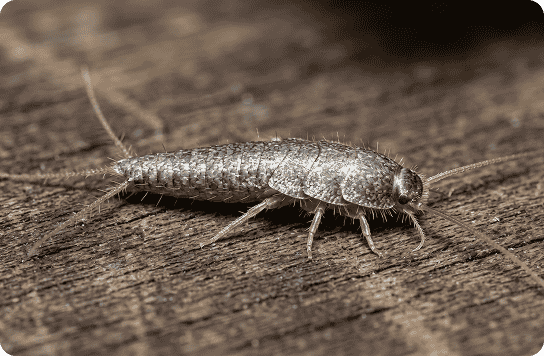
- Silverfish are attracted to damp, dark spaces with paper, cardboard, fabric, and other organic material.
These seasonal bugs can show up at different times of year. Mice tend to be a larger issue during cold weather, while ants and silverfish may become more active when humidity levels rise. If you see multiple pest types at once, the issue may be more serious than one insect problem. It may be a basement conditions problem.
How can pests enter into a basement?
Pests often enter through tiny, hidden openings. The primary routes are foundation cracks, utility penetrations, and window wells. In Ottawa, freeze-thaw cycles can widen cracks over time, which creates the problem worse each season.
Foundation cracks are a major entry point for mice and insects. Even hairline cracks may be all it takes if they connect to a gap behind the wall or near the sill plate. A quality foundation sealant can help, but the crack should be inspected first to make sure the repair covers the full opening.
Utility penetrations around water lines, electrical conduits, dryer vents, and gas lines are an additional common route. These openings are often hidden behind appliances or finished walls, which makes them hard to spot during a quick inspection.
Window wells can accumulate leaves, debris, moisture, and nesting material. If the well cover is broken or missing, pests may use it as a sheltered path to the basement window. Once inside, they can move into storage areas or wall voids.
In many Ottawa homes, especially older ones, several small openings become one bigger access problem. That is why exclusion has to cover the whole basement, not just one obvious crack.
What prevention and control actions really work?
The best prevention measures are blocking entry points, better organizing food storage, and maintaining the basement dry and clean. A strong prevention plan is straightforward, but it has to be regular.
Closing entry points is the top priority. Check around the perimeter, utility lines, basement windows, vents, and gaps where pipes enter the house. Use appropriate materials for the job, not temporary fillers that can break down or shrink. If the opening is substantial or active, professional exclusion may be the better option.
Storing food matters more than many homeowners think. If you keep pet food, bird seed, snacks, or pantry overflow in the basement, store it in sealed containers. Do not leave open bags or cardboard boxes on the floor. Mice and ants are both fast to find accessible food sources.
Moisture control device use also helps. Lowering basement moisture makes the space less appealing to many pests and helps protect the structure of your home at the same time. In Ottawa, where spring moisture and summer humidity can both be high, a dehumidifier can be a key part of pest control Ottawa prevention.
Also focus on clutter. Pests love hidden spaces, and cardboard, fabric, and paper can become nesting material. Remove unused items, keep storage off the floor, and clean corners where dust and debris collect.
How do you reduce humidity in an Ottawa basement?
Managing dampness is one of the key parts of keeping basement pests away. Pests are more likely to move in where humidity levels are consistently high and air movement is poor. In Ottawa basements, the biggest moisture sources are melting snow in spring, damp soil around the foundation, condensation, and poor ventilation.
Humidity control should be monitored throughout the year. If the basement feels humid, smells stale, or shows condensation on windows and pipes, that is a red flag. A hygrometer can help you measure humidity levels so you know when action is needed.
Ventilation can help remove stale air and lower trapped moisture. Make sure vents are working properly and that air can circulate around stored items and mechanical equipment. If the basement is finished, check that ventilation is not blocked by furniture, boxes, or wall coverings.
Sump pump maintenance is important in many Ottawa homes. A sump pump helps handle groundwater and minimize the risk of seepage after heavy rain or during snowmelt. If the sump pump is slow, noisy, or not running properly, basement moisture can rise quickly.
A dehumidifier works best when it is paired with the right moisture controls elsewhere. If you only run a dehumidifier but ignore leaks, drainage issues, or a failing sump pump, the problem may keep coming back.
Is it better to use traps, professional treatment, or professional treatment?
Your ideal approach depends on how active the problem is and whether you can locate the entry point. For a small mouse issue, traps may be enough if they are set properly and monitored closely. For larger or recurring problems, bait stations or professional pest control may be more effective.
Snap traps are often best when you have seen clear signs of mice and can place traps along walls, behind items, or near travel routes. They are effective for targeted control, but they do not solve the underlying access issue.
Bait stations can be helpful in some cases, especially in areas with repeated rodent activity. They should be used carefully and placed where children and pets cannot reach them. Bait stations are usually part of a larger control plan, not a stand-alone fix.
Professional pest control is often the best option when the infestation is active, when the source is unclear, or when multiple pests are involved. A technician can evaluate the basement, identify entry points, recommend exclusion repairs, and tailor treatment to the species involved.
For Ottawa homeowners, the best results usually come from combining treatment with prevention. Traps may remove the current problem, but exclusion and sanitation stop the next round.
When should you call a pest control company in Ottawa?
You should call a pest control company when you keep finding signs of pests after tidying up, using traps, or sealing attempts. If you hear movement in the walls, notice rodent droppings, smell urine, or find damaged food packaging, the issue may be greater than a one-time visitor.
It is also smart to call if you are searching for pest control near me and you want a local inspection before the problem spreads. A professional can determine whether you are dealing with mice, ants, spiders, silverfish, or a mix of basement pests.
If you are reviewing the best pest control Ottawa options, look for a company that understands local building types and seasonal patterns. Ottawa’s older homes, newer subdivisions, and mixed-use areas all have different risks. The right provider should explain the cause, not just sell a treatment.
Cost is another reason homeowners reach out for help. Pest control Ottawa cost can vary based on the species, the size of the property, the level of infestation, and whether exclusion work is needed. A simple inspection may cost less than a full treatment with sealing and follow-up visits, but every job is different.
What to expect from local Ottawa pest control services
Nearby pest control services in Ottawa usually start with an check of the lower level, foundation, and nearby exterior. A qualified technician will inspect for entry points, signs of nesting material, rodent droppings, moisture problems, and food sources.
You may see names such as skedaddle Ottawa, abell pest control Ottawa, and mr pest control Ottawa when researching providers. Each company may offer a somewhat different service model, but the core process should be comparable: inspection, treatment, exclusion, and follow-up.
Some providers focus heavily on humane removal, others on comprehensive pest management, and others on fast-response treatment. What matters most is whether they understand Ottawa basements and can address the root cause. If a company does not talk about sealing entry points, humidity control, or sanitation, that is a red flag.
For homes with recurring issues, ask whether the service includes monitoring, repair recommendations, and a clear prevention plan. That is the difference between a short visit and ongoing control.
Ottawa-area service coverage for basement pest issues
Basement pest issues are not limited to downtown Ottawa. Service calls often vary by area, and local neighbourhood conditions can affect both the type of pest and the type of repair needed. For example, pest control Kanata and pest control Kanata Ottawa calls may involve newer homes with utility gaps, while pest control Orleans and pest control Barrhaven requests may involve moisture issues tied to grading, drainage, or basement finishing.
In more rural or outlying areas, such as pest control Carleton Place, pest control Rockland, and pest control Renfrew, homes may deal with different pressures from adjacent fields, wooded lots, or older foundation structures. The core pest control principles are the same, but the service approach can vary.
That is why it helps to work with a provider familiar with Ottawa’s neighbourhood-level realities. Whether you are in a central neighbourhood or a nearby community, the right inspection should reflect the home’s age, location, and seasonal pest pressure.
How to stop pests from coming again over time
Sustained protection depends on a reliable routine. If you want to stop basement pests from returning, create a simple plan that covers checking, sealing, and sanitation.
Inspection should happen on a schedule, particularly after winter, spring thaw, and heavy rain. Check for new cracks, damaged screens, wet areas, and signs of pest activity. Even a small change in the foundation or window wells can create a new entry point.
Exclusion means sealing gaps and maintaining repairs over time. Foundation sealant can fail, weather stripping can wear out, and utility penetrations can shift. Regular maintenance keeps those weak spots closed.
Sanitation is the daily habit that makes the biggest difference. Keep the basement tidy, remove unused cardboard, wipe up food residue, store items in sealed bins, and avoid giving mice or insects a reason to stay.
If you combine those steps with moisture control and a dehumidifier, you create a basement that is much less appealing to seasonal pests. This is especially important in Ottawa, where cold weather can push rodents indoors and warmer months can increase insect activity.

Questions Ottawa homeowners ask about basement pests
Many homeowners look for advice online before they call a technician. Searches like pest control Ottawa reddit often focus on DIY solutions, neighbourhood experiences, and whether a problem is serious enough to require professional help. Those discussions can be useful, but they do not replace a proper inspection.
If you are considering go pest control Ottawa or another local provider, compare more than just response time. Ask how they handle exclusion, what they do about moisture, and whether they offer follow-up after treatment. A basement pest issue rarely disappears with one visit unless the source is addressed.
For homeowners in smaller nearby communities, pest control Carleton Place may be just as relevant as Ottawa-based service, especially if the home is older or surrounded by open land. The same is true for Rockland and Renfrew. Different area, same principle: find the access points and close them.
In real-world terms, the most effective results come from a mix of inspection, moisture control, sanitation, and precise action. That is the cornerstone of solid pest control Ottawa residents can truly count on.
FAQ
What is the best way to keep mice out of a basement in Ottawa?
The smartest way is to use exclusion, sanitation, and humidity control. Seal foundation cracks, gaps around utility lines, and window wells, then eliminate food sources and nesting material. Snap traps can help with current mice, but long-term control depends on closing entry points and keeping humidity levels down. This is the most dependable approach for pest control Ottawa mice problems.
Do dehumidifiers help keep pests away from basements?
Absolutely. A dehumidifier helps cut down moisture, which makes the basement less inviting to pests like silverfish, ants, and some spiders. Lower humidity levels also help reduce musty conditions and support better moisture control throughout. A dehumidifier works best when combined with ventilation, a working sump pump, and proper sealing.
How much does pest control Ottawa usually cost for basement pests?
Pest control Ottawa cost depends on the pest, the size of the basement, how serious the infestation is, and whether exclusion repairs are needed. A simple inspection or basic treatment may cost less than a service that includes bait stations, snap traps, sealing, and follow-up. The most accurate estimate comes after an on-site inspection.
Mosquito Man Ottawa185 Claridge Dr, Nepean, ON K2J 5G8, Canada
+16136999325
https://maps.app.goo.gl/S2ACHq7LaozDoqS66
77P8+45 Nepean, Ottawa, ON, Canada
Are basement pests worse in older Ottawa homes?
Usually, yes. Older homes in places like Centretown, Sandy Hill, and other established Ottawa neighbourhoods may have more foundation cracks, worn seals, and outdated utility penetrations. Those conditions create more entry points for mice and insects. Older homes are not guaranteed to have pests, but they do need more routine inspection.
When should I call a professional instead of using DIY traps?
Call a professional if you keep finding https://richmond-hill-onwh009.rivetgarden.com/posts/ottawa-travel-map-best-areas-to-explore-for-pest-control-ottawa rodent droppings, hear movement in walls, see multiple pests, or cannot find where they are getting in. If snap traps do not solve the issue quickly, the infestation may be bigger than it looks. Professional pest control is also a more effective choice if moisture, foundation damage, or repeated activity suggests a deeper basement problem.